

Fat Removal
Liposuction Recovery Time: What to Expect Week by Week


Liposuction Recovery Time: What to Expect Week by Week
Liposuction has long been used to remove stubborn fat that doesn’t respond to diet and exercise alone. While the procedure itself is widely understood, the recovery period often raises the most questions. Knowing what the healing process looks like, how long downtime may last, and when results begin to show can help people feel more prepared and confident going into treatment.
Liposuction recovery is not a one-size-fits-all experience. Factors like the amount of fat removed, the areas treated, the technique used, and overall health all influence how the body heals. That said, there is a general recovery pattern most people experience, which can help set realistic expectations.
This guide breaks down the liposuction recovery timeline week by week, explains common side effects, and outlines how newer fat removal approaches may shorten recovery compared to traditional techniques.
Understanding the Liposuction Recovery Process
Before diving into a timeline, it helps to understand what recovery actually involves. Liposuction is a surgical procedure that removes fat cells through small incisions using specialized instruments. While it is considered less invasive than many other cosmetic surgeries, it still requires time for the body to heal.
Traditional liposuction downtime typically lasts several weeks, with swelling and bruising continuing for months. Full results may not be visible until the body has completely healed. This extended liposuction recovery time is often one of the biggest considerations for people researching the procedure.
The lipo recovery timeline can look different depending on whether a traditional approach or a minimally invasive alternative is used, but the general stages of healing remain similar.
The First 24 Hours After Liposuction
The first day following liposuction is usually the most uncomfortable. Soreness, swelling, and tightness in the treated areas are common. Many people describe the sensation as similar to an intense bruise.
Pain medication may be prescribed to help manage discomfort, and rest is strongly encouraged. Compression garments are typically applied immediately to help control swelling and support the healing process. In some cases, temporary drainage may be used to prevent fluid buildup.
Movement is limited, but light walking is often encouraged as soon as possible to promote circulation. Showering and removing compression garments are usually restricted during this initial phase.
48 Hours After the Procedure
During the second day, swelling and soreness often continue, though some people begin to feel slightly more mobile. Activity should still be limited, and time off work is usually recommended.
This period represents the most intense portion of liposuction downtime. Many people arrange help at home, prepare meals in advance, and focus on rest. Eating balanced meals and staying hydrated support healing and energy levels.
While traditional liposuction healing time typically requires extended rest, newer fat removal techniques may allow for earlier movement and a quicker return to daily routines.
The First Week of Liposuction Recovery
By the end of the first week, discomfort often begins to ease. Swelling and bruising may still be present, but many people feel noticeably better compared to the first few days.
Compression garments are still worn consistently, and pain medication is usually reduced or discontinued as soreness subsides. Light walking remains encouraged, while strenuous activity is avoided.
This phase marks the end of the most challenging part of liposuction recovery for many patients. While visible results are still limited due to swelling, early changes in shape may start to appear.
Week Two: Gradual Improvement
During the second week, mobility improves, and swelling continues to decrease. Bruising often fades significantly during this time. Many people return to work, depending on the nature of their job and the areas treated.
Compression garments are typically still recommended, and physical activity remains light. Gentle movement supports circulation and helps reduce lingering swelling.
At this stage of the liposuction recovery timeline, the body is actively healing beneath the surface, even if results are not fully visible yet.
Week Three: Returning to Routine
By the third week, many people feel close to normal. Swelling continues to improve, and some individuals are cleared to resume low-impact exercise.
Massage therapy may be recommended to help with swelling and tissue healing. Diet and hydration remain important, as the body continues repairing itself.
While results may appear more defined, it’s important to remember that liposuction recovery time extends beyond what can be seen externally.
Week Four: Visible Progress
Around the one-month mark, most people experience a noticeable improvement in comfort and mobility. Swelling may still be present, but results become easier to see as inflammation decreases.
Exercise routines may be gradually reintroduced with guidance from a surgeon. Follow-up appointments are often scheduled around this time to assess healing and address any concerns.
This stage represents a turning point in the liposuction recovery timeline, where day-to-day life feels largely normal again.
Three to Six Months After Liposuction
Between three and six months, the body continues refining results. Swelling gradually resolves, and final contours begin to emerge. This period represents the latter half of the liposuction healing time.
While many people see meaningful changes earlier, final results often take several months to fully develop. Maintaining a stable weight and healthy lifestyle helps preserve results long term.
This extended phase of liposuction recovery is normal and expected, even when early improvements are visible.
Common Recovery Questions
When Will Swelling Go Away?
Swelling usually decreases significantly within the first month, but mild swelling may persist for several months. Compression garments play a key role in managing this aspect of liposuction recovery time.
How Painful Is Liposuction Recovery?
Most people describe discomfort as manageable rather than severe. Pain typically peaks early and improves steadily with time.
Will There Be Scarring?
Small incisions are required for fat removal. Scars are often minimal and placed in natural creases when possible, though visibility depends on the area treated and individual healing.
Is Fat Removal Permanent?
Fat cells removed during liposuction are permanently eliminated. However, remaining fat cells can expand with weight gain, which may affect overall results.
Ways to Support a Smoother Recovery
-
Prioritize rest, especially during the first two weeks
-
Wear compression garments as directed
-
Eat nutrient-dense meals to support healing
-
Stay hydrated
-
Avoid strenuous activity until cleared
These steps can help reduce liposuction downtime and support more consistent healing.
How Modern Alternatives May Change the Recovery Experience
Traditional liposuction is effective but often associated with longer liposuction recovery time and extended downtime. As a result, many people explore newer fat removal options designed to be less invasive.
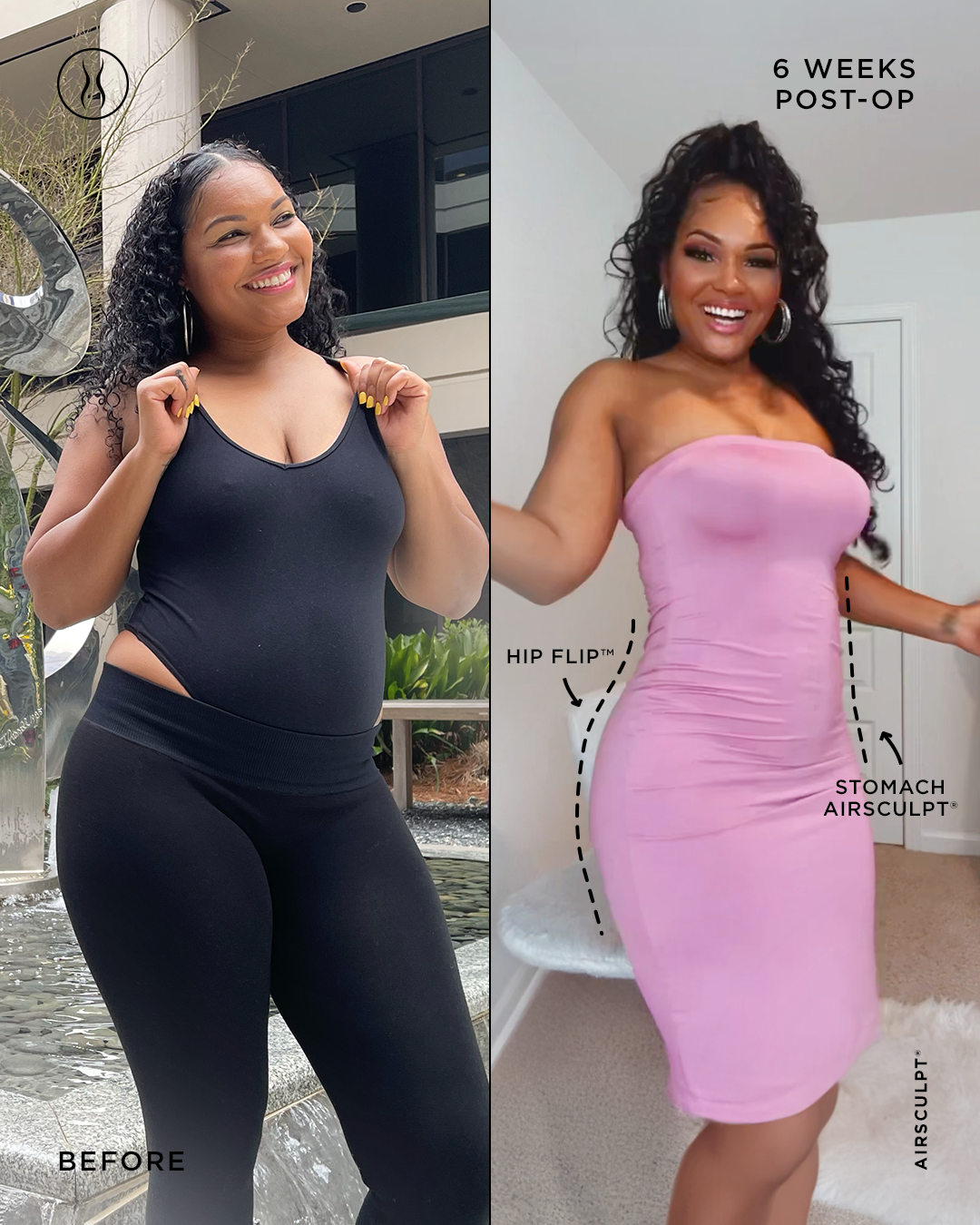
AirSculpt® is one example of an alternative approach that removes fat through a small access point without scalpels, stitches, or general anesthesia. Because surrounding tissues are preserved, many people experience less swelling and bruising compared to traditional methods.
While individual experiences vary, this type of approach may allow people to return to normal activities more quickly, potentially shortening the lipo recovery timeline. It also avoids some of the factors that contribute to prolonged liposuction downtime. If you’re curious how AirSculpt® compares to traditional liposuction, the AirSculpt® vs. Traditional Lipo page breaks down the key differences.
Comparing Recovery Expectations
When researching fat removal options, understanding differences in liposuction recovery timelines is essential. Traditional techniques often involve weeks of downtime and months of healing, while newer approaches may offer a faster path back to routine.
That difference in liposuction recovery time is one of the main reasons people explore alternatives, especially those with busy schedules or limited flexibility for extended recovery.
Setting Realistic Expectations for Recovery
Liposuction recovery is a gradual process that unfolds over weeks and months. While early improvements may appear within the first few weeks, full results take time to develop as the body heals.
Understanding the liposuction recovery timeline helps set realistic expectations and reduces uncertainty throughout the process. Whether choosing traditional liposuction or a modern alternative, planning for healing, rest, and long-term care is essential.
For those concerned about liposuction healing time or extended downtime, exploring minimally invasive fat removal options may offer a different recovery experience worth considering.
AIRSCULPT® YOUR DREAM FIGURE